Source DIN 8077 PPR Pipe for Water Supply, Industrial, Conveying
Find 30 verified listings for DIN 8077 PPR pipe suitable for water supply, industrial applications, and conveying water. Buyers can compare specifications, prices, and customization options from manufacturers in Zhejiang, China.
Key considerations
Products List




Comprehensive Sourcing Guide
Strategic Sourcing Guide for DIN 8077 PPR Pipe Procurement
Understanding the Technical Profile of PPR Pipe Systems
When sourcing Polypropylene Random Copolymer (PPR) pipes, specifically those aligned with the DIN 8077 and DIN 8078 standards, buyers must first establish a clear understanding of the material's physical and chemical characteristics. The core product category identified in the market data is the PPR pipe, characterized by its thermoplastic nature and suitability for high-pressure applications. The material is inherently non-toxic, heat-resistant, and offers high flexibility, making it a preferred choice for water supply systems.
The physical specifications of these pipes vary significantly based on customization requirements. The actual outside diameter is frequently listed as "customized," indicating that manufacturers can produce pipes to specific client dimensions rather than adhering strictly to a single fixed size. However, standard market offerings typically range in size from 20mm to 160mm. The wall thickness is another critical variable, with observed ranges spanning from 2.0mm to 34.2mm depending on the pressure class and diameter. This variability allows for the selection of pipes that balance structural integrity with material efficiency.
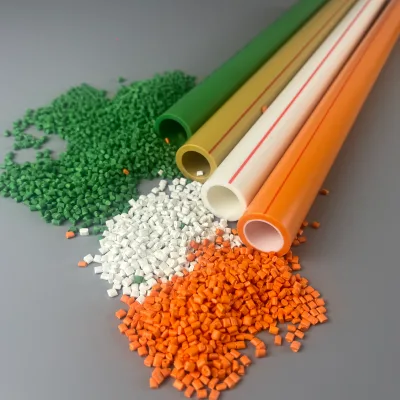
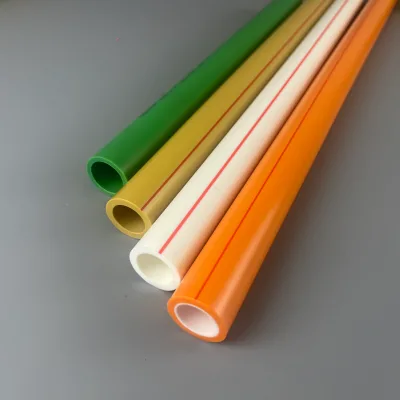
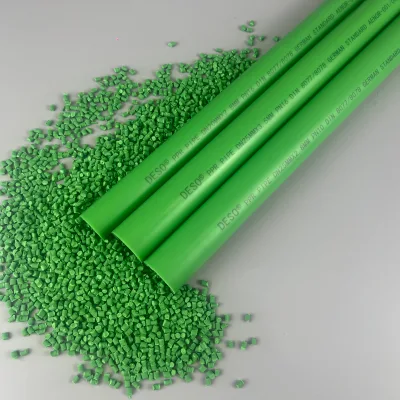
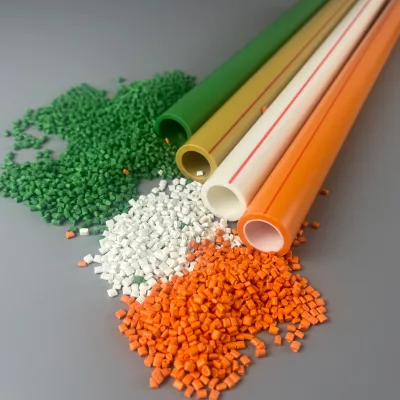
The shape of the pipe is predominantly round, which is standard for fluid transport, though the market data also notes the availability of square and rectangular custom products. This suggests that while the primary application is fluid conveyance, the manufacturing capability extends to specialized geometries for industrial or architectural uses. The pipes are available in standard lengths, typically 4 meters per piece or 5.8 meters per piece, which influences logistics planning and on-site handling. The color options observed include white and green, which may serve as visual indicators for different pressure ratings or water types in specific regional markets.
Compliance Verification and Certification Standards
Compliance with international and regional standards is the cornerstone of a successful procurement strategy for PPR piping systems. The primary standards referenced in the product data are DIN 8077 and DIN 8078, which govern the dimensions and requirements for PPR pipes in German and European contexts. Additionally, the ISO 15874-2 standard is cited, which specifically addresses the design and installation of thermoplastic piping systems for water supply. Buyers must verify that the supplier's documentation explicitly confirms adherence to these specific standard numbers, as generic references to "DIN" or "ISO" without the specific suffixes can lead to non-compliant installations.
Certification plays a vital role in validating the quality and safety of the pipes. The product data indicates that ISO certification is a common attribute among suppliers. While ISO 9001 is a widely recognized background standard for quality management systems, buyers should request specific test reports that demonstrate the pipe's compliance with the mechanical and thermal properties required by DIN 8077. The standard also implies a requirement for the material to be non-toxic and suitable for potable water, a claim supported by the "Non-Toxic" and "Eco-Friendly" attributes listed in the product features.
When evaluating a supplier, procurement teams should not rely solely on the presence of a certification logo. Instead, they must request the actual certification documents and cross-reference them with the specific product batch. The data mentions a "Hard Tube" classification and a "High Pressure" feature, which necessitates rigorous testing to ensure the pipe can withstand the specified pressure ranges, typically observed between 1.25 MPa and 2.5 MPa. Verifying that the manufacturer has the capability to test for these specific pressure limits under the relevant standards is essential before finalizing any order.
Cost Drivers and Pricing Structure Analysis
The pricing of PPR pipes is influenced by a complex interplay of material costs, manufacturing processes, and order volume. The observed price range in the market is broad, spanning from $0.02 to $28.88 USD. This significant variance is not indicative of quality differences alone but reflects the diversity in product specifications, such as diameter, wall thickness, and customization levels. A pipe with a 20mm diameter and a thin wall will naturally cost significantly less than a 160mm pipe with a thick wall designed for high-pressure industrial use.
The Minimum Order Quantity (MOQ) is another critical cost driver. The data shows an MOQ range from 5 units to 10,000 units. For small-scale projects or prototype testing, buyers may find suppliers with low MOQs, but these often come with a higher unit price. Conversely, large-scale infrastructure projects can leverage economies of scale by ordering at the higher end of the MOQ spectrum, potentially securing more favorable pricing. The "Customized" nature of the outside diameter and thickness also introduces a variable cost factor. Custom molds and production runs typically incur additional setup fees, which are amortized over the order quantity.
Processing services such as molding and cutting are explicitly listed as available capabilities. These value-added services can impact the final cost. For instance, if a buyer requires pipes cut to specific lengths other than the standard 4m or 5.8m, the supplier may charge a processing fee. Similarly, the availability of OEM services indicates that branding and packaging customization are possible, which adds to the overall cost structure. Buyers should request a detailed breakdown of costs that separates the base material price from processing, packaging, and customization fees to ensure accurate budgeting.
Typical Applications and Performance Requirements
The primary application for DIN 8077 compliant PPR pipes is water supply, encompassing both residential and industrial sectors. The product attributes highlight "conveying water" and "water supply pipe" as key usage scenarios. The material's features, including being heat-resistant, anti-corrosion, and having no smell, make it ideal for hot and cold water distribution systems. The ability to withstand temperatures up to 70 degrees Celsius is a critical performance metric for hot water applications, ensuring the pipe does not deform or degrade under thermal stress.
In industrial settings, the "High Pressure" and "High Toughness" features are paramount. The pipes are designed to handle pressures ranging from 1.25 MPa to 2.5 MPa, making them suitable for pressurized water lines in factories, commercial buildings, and municipal infrastructure. The "Anti-UV" and "Durable" attributes suggest that these pipes can be used in environments where they may be exposed to sunlight, although standard practice often involves burying or concealing pipes to maximize longevity. The "Flexible" nature of the material allows for easier installation in complex piping layouts, reducing the need for numerous fittings and potential leak points.
The connection method is another critical aspect of the application. The data specifies "Hot Melt Connection" as the standard joining technique. This method creates a seamless, monolithic joint that is as strong as the pipe itself, eliminating the risk of leaks associated with mechanical fittings. The availability of fittings such as elbows and tees indicates a comprehensive system approach, where the pipe and fittings are designed to work together seamlessly. Buyers should ensure that the fittings provided are compatible with the specific PPR material grade to maintain the integrity of the hot melt joints.
Supplier Evaluation and Manufacturing Capabilities
Selecting the right supplier requires a thorough evaluation of their manufacturing capabilities and operational history. The product data indicates that the place of origin is primarily Zhejiang, China, a region known for its robust manufacturing infrastructure. The attribute "We Are Factory, OEM Is Ok" suggests that many suppliers are direct manufacturers rather than trading companies, which can offer benefits in terms of price control and quality oversight. However, buyers must verify this claim by requesting factory audits or video tours to confirm the presence of molding and cutting equipment.
The customization capabilities are a key differentiator among suppliers. The data shows that "Customization" is available, with options for custom shapes, sizes, and colors. A capable supplier should be able to provide a range of specifications, from standard round pipes to custom square or rectangular profiles. The ability to produce "Custom Products" in terms of thickness (2-34.2mm) and diameter (20-160mm) demonstrates a flexible production line. Buyers should assess the supplier's lead time for custom orders, as these often require longer production cycles than standard stock items.
Quality control processes are essential for ensuring that the pipes meet the required standards. The supplier should have a documented quality assurance system that includes raw material inspection, in-process monitoring, and final product testing. The "ISO" certification mentioned in the data is a good starting point, but buyers should look for evidence of specific testing for pressure resistance, thermal stability, and chemical resistance. The supplier's ability to provide test reports for each batch of products is a strong indicator of their commitment to quality.
Quality Control Protocols and Long-Term Procurement Strategy
Implementing a robust quality control protocol is essential for mitigating risks in PPR pipe procurement. Buyers should establish clear acceptance criteria based on the DIN 8077 and ISO 15874-2 standards. This includes verifying the dimensions, wall thickness, and pressure ratings of the delivered pipes. Random sampling and third-party testing can be employed to ensure that the products meet the specified requirements before they are accepted into the project. The "Non-Toxic" and "Eco-Friendly" claims should be validated through laboratory testing to ensure the pipes are safe for potable water applications.
Long-term procurement considerations involve building a sustainable relationship with suppliers who can consistently deliver high-quality products. The "Packing" attribute, listed as "PP Bag" or "Bag," indicates the standard packaging method. Buyers should evaluate the packaging to ensure it protects the pipes from damage during transit, especially for long-distance shipments. The "Market" attributes, listing America and Asia, suggest that the supplier has experience with international logistics and can handle the complexities of cross-border trade.
Buyers should also consider the availability of after-sales support and technical assistance. In the event of installation issues or product failures, a responsive supplier can provide valuable support. The "Fitting" and "Connect" attributes highlight the importance of a complete system solution. A supplier that offers a full range of compatible fittings and provides technical guidance on installation can significantly reduce the risk of project delays and failures.
Conclusion and Procurement Best Practices
Sourcing DIN 8077 PPR pipes requires a meticulous approach that balances technical specifications, compliance, cost, and supplier reliability. By understanding the diverse range of sizes, thicknesses, and customization options available, buyers can select the most appropriate products for their specific applications. Verifying compliance with DIN 8077, DIN 8078, and ISO 15874-2 standards is non-negotiable to ensure the safety and longevity of the piping system.
The broad price range and MOQ variability necessitate careful budgeting and negotiation. Buyers should leverage their order volume to secure favorable terms while ensuring that cost reductions do not compromise quality. Evaluating suppliers based on their manufacturing capabilities, quality control processes, and ability to provide customization is crucial for long-term success. By adopting a disciplined procurement strategy that prioritizes technical verification and supplier reliability, buyers can secure a high-quality PPR pipe supply chain that meets the demands of modern water supply and industrial applications.
| Feature Category | Key Attributes | Verification Requirement |
|---|---|---|
| Material | PPR, Non-Toxic, Heat Resistant | Confirm material grade and safety certifications |
| Dimensions | 20-160mm Diameter, 2-34.2mm Thickness | Verify actual measurements against order specs |
| Standards | DIN 8077/8078, ISO 15874-2 | Request specific standard compliance certificates |
| Pressure | 1.25-2.5 MPa | Validate pressure test reports for batch |
| Connection | Hot Melt, Elbow, Tee | Ensure fittings are compatible with pipe material |
| Origin | Zhejiang, China | Verify factory location and production capacity |
| Customization | Round, Square, Custom Sizes | Confirm mold availability and lead times |
FAQs
What standards do din 8077 ppr pipes meet?
These pipes meet DIN 8077, DIN 8078, and ISO 15874-2 standards. They are manufactured in Zhejiang, China, and often carry ISO certification to ensure compliance with international quality and safety requirements for water supply systems.
How can I customize the size of din 8077 ppr pipes?
You can request customized outside diameters ranging from 20mm to 160mm and wall thicknesses between 2mm and 34.2mm. The manufacturer offers molding and cutting services to produce round, square, or rectangular shapes based on your specific project needs.
What is the minimum order quantity for din 8077 ppr pipes?
The minimum order quantity varies from 5 units up to 10,000 units depending on the supplier. Some vendors require a specific volume like 8,000 meters, while others accommodate smaller orders for testing or small-scale projects.
Can din 8077 ppr pipes handle high pressure and heat?
Yes, these pipes are designed for high pressure up to 2.5 MPa and heat resistance up to 70 degrees Celsius. They feature high toughness and flexibility, making them suitable for both hot and cold water supply applications in industrial settings.
Which connection method is used for din 8077 ppr pipes?
The standard connection method is hot melt connection, which creates seamless joints as strong as the pipe itself. Compatible fittings like elbows and tees are available to ensure a secure and leak-proof installation for your water supply system.
What are the typical lengths and packaging for din 8077 ppr pipes?
Pipes are typically supplied in lengths of 4 meters or 5.8 meters per piece. They are packaged in PP bags or general bags, and customization options include specific colors like white or green to meet regional or project requirements.